Southside Shopping Centre rubbish removal after events
Posted on 12/10/2026
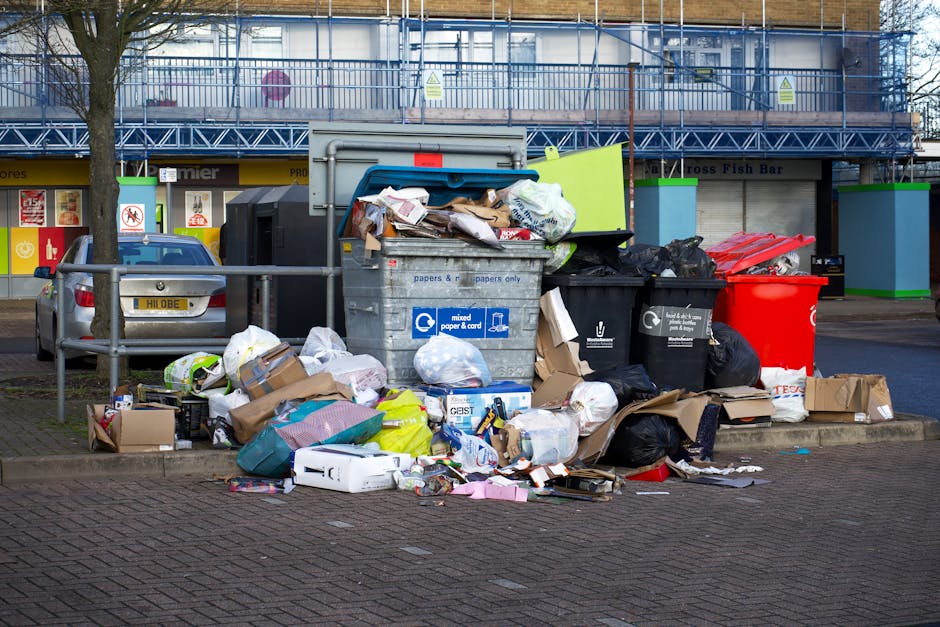
If you have ever watched a busy event wrap up at Southside and seen the last guests drift away while bins overflow and packaging piles up, you will know the real work often starts after the music stops. Southside Shopping Centre rubbish removal after events is about more than just tidying up. It is the difference between a smooth close-down and a messy, delayed handover that leaves staff scrambling at the end of a long day.
Whether you are running a promotional activation, a community event, a seasonal pop-up, a food-led gathering, or a retail launch, post-event waste needs a proper plan. That means knowing what gets removed, when it should happen, who is responsible, and how to keep the site safe, presentable, and compliant. In our experience, the events that go best are rarely the flashiest ones. They are the ones where the clearance plan is sorted before the first guest walks in.
This guide breaks down how rubbish removal after events at Southside Shopping Centre works, what to expect, the common mistakes that cause headaches, and how to choose the right approach for a clean, efficient finish.
Why Southside Shopping Centre rubbish removal after events Matters
Post-event waste builds up quickly. Cups, napkins, food packaging, broken display materials, cable ties, cardboard, promotional leaflets, plastic wrap, pallet film, and the inevitable odd mystery item that nobody claims. One minute the space looks ready for trading again; the next, there is a small mountain by the service area and everybody is pretending not to notice it. Truth be told, that is normal. What matters is how quickly and safely it is dealt with.
At a shopping centre, waste is not just a back-of-house issue. It affects visitors, retailers, cleaning teams, loading access, fire safety routes, odour control, and the overall feel of the centre. If rubbish is left too long, it can create visual clutter, attract pests, block walkways, and make the site look unprepared for the next day's footfall. And if your event has food waste or mixed materials, things can become less tidy, fast.
Southside Shopping Centre rubbish removal after events also matters because centres usually operate around tight timings. You may only have a short window once customers leave, security closes off the area, and the site team begins reset work. Miss that window and you risk pushing the mess into the next trading day, which is nobody's favourite outcome. Not the organiser's, not the retailer's, and definitely not the cleaner's.
There is also a reputational angle. A clean finish says the event was well run. A rushed or sloppy finish says the opposite. People remember the last impression, sometimes more than the first. That is a bit unfair, but there it is.
How Southside Shopping Centre rubbish removal after events Works
The process is usually simpler than people expect, but only if it is planned properly. Event waste removal after a shopping centre event tends to follow a few clear stages: assess, sort, collect, remove, sweep through, and hand back the space. Straightforward on paper. Less straightforward when a display stand has been bolted together with optimism and cable ties.
First, the waste type is identified. That includes general rubbish, recyclables, bulky items, cardboard, soft plastics, food waste, and any material that needs special handling. Then the team decides whether the waste can be bagged, wheeled, lifted, or needs a larger vehicle or more than one load. The goal is to avoid drag-out delays and keep disruption to a minimum.
At Southside, access and timing matter. Event cleanup should fit around centre operations, loading rules, and any restrictions on vehicle movement or lift use. A good waste clearance team will think about access points, collection points, and the best sequence for moving materials without blocking staff routes or customer areas. Simple logic, really, but it saves a lot of last-minute fuss.
In a typical post-event clearance, the workflow might look like this:
- Walk the area and identify all waste streams.
- Separate recyclables, bulky items, and general rubbish where possible.
- Bag, stack, or contain loose waste safely.
- Remove waste using the most suitable vehicle or manual loading method.
- Sweep and clear the space so it is ready for the next use.
- Confirm the site handover with the organiser or centre contact.
For bigger event take-downs, the job can also involve furniture disposal, temporary signage removal, box breakdown, and disposal of packaging from stock deliveries. If the event has been retail-led rather than purely promotional, the waste profile may look more like a mix between office-style clearance and light commercial rubbish removal. That is where experience helps. The waste rarely arrives neatly labelled.
Key Benefits and Practical Advantages
Good post-event clearance does more than make the site look tidy. It protects operations, saves time, and reduces stress when everyone is already tired. And let's face it, after a long event day, nobody is at their best trying to work out where twelve flattened boxes and three bin bags should go.
- Faster reset times: The centre can return to trading or prepare for the next activity without avoidable delays.
- Cleaner presentation: A tidy environment supports the professional image of the venue and the event itself.
- Lower safety risk: Removing loose waste reduces trip hazards, blocked access routes, and fire-safety concerns.
- Better waste separation: Sorting recyclable material can reduce contamination and make disposal more responsible.
- Less pressure on centre staff: When removal is handled properly, in-house teams are not left to mop up the leftovers.
- Improved planning for future events: Once organisers know how much waste an event actually produces, they can plan better next time.
There is also a practical commercial benefit. If a space is cleared on time, the next phase can happen on schedule. That might be the store opening, the next promotion, or simply the return to normal centre traffic. Late waste removal has a way of snowballing into other delays. You probably know that already if you have managed events before.
A quieter but important advantage is morale. Teams work better in a space that feels under control. After a clean-down, the air feels lighter, the floor is easier to inspect, and people can actually see what still needs doing. Small thing, big difference.
Who This Is For and When It Makes Sense
Southside Shopping Centre rubbish removal after events is relevant to a surprisingly wide range of people. If you are responsible for a temporary setup, a branded activation, a seasonal pop-up, a charity stall, a product launch, or a retailer-led event, this is probably on your list whether you call it that or not.
It is especially useful for:
- event organisers managing a one-off or recurring setup
- retail brands running in-centre promotions
- shopping centre management teams overseeing handover
- store managers handling display changes or launch activity
- contractors clearing packaging, fixtures, and temporary materials
- marketing teams who need the site looking polished again quickly
It makes sense any time there is more waste than a standard cleaner can easily handle in a routine shift. That could be after a busy weekend activation, a late-night breakdown, or an event that generated bulky packaging and mixed rubbish. If the job needs bags, bins, lifting, sorting, and transport, you are already in clearance territory.
It is also a smart move when the waste is awkward. Wet food packaging, broken display boards, oversized cardboard, and sticky promotional materials are all time-consuming. Better to deal with them properly than to leave them for "later," which has a sneaky way of becoming tomorrow morning.
Step-by-Step Guidance
If you want the process to go smoothly, planning needs to start before the event ends. That sounds obvious, but in the rush of live operations people often forget. Here is the cleanest way to approach it.
1. Estimate the likely waste stream
Think through what the event will actually produce. Will there be cardboard from deliveries? Food wrappers? Drinks containers? Printed materials? Temporary rails, small furniture, or promotional stands? A rough waste forecast helps you choose the right collection approach and prevents the "we thought it would only be two bags" surprise.
2. Decide what can be separated on site
Not everything should go in one mixed pile. Cardboard, clean plastic film, food waste, and general rubbish often need different treatment. Even if you are not doing full-blown source segregation, a basic split makes the clearance quicker and more responsible.
3. Set a handover time
Agree when the waste team can start, where they can park, which entrance they should use, and who signs off the finished job. This one step avoids so many phone calls later. It also reduces the awkward "are we allowed to move that?" pause that seems to appear at the worst moment.
4. Clear bulky items first
Large items take up disproportionate space and slow everything down. If there are display frames, damaged stock fixtures, or heavy packaging, move those out first so the smaller waste can be sorted around them.
5. Sweep, inspect, and do a final walk-through
Waste removal is not complete until the area is visibly clear and safe. Check corners, under counters, behind stands, and along loading edges. It is often the forgotten bottle, cable tie, or strip of film that catches the eye the next morning. Those little things matter.
6. Confirm disposal route and records if needed
For commercial waste, make sure the handling and disposal process is documented appropriately. Depending on the setup, you may need records for duty-of-care purposes or internal compliance files. That does not need to be dramatic, just orderly.
If your event also involves construction-style fit-out waste, it may overlap with builders waste clearance, especially where partitions, timber, or fixings are involved. In those cases, do not guess. Mixed waste is where plans go fuzzy.
Expert Tips for Better Results
A few small habits make a big difference. These are the kind of details that are easy to skip when everyone is rushing, but they save time and money later. Honestly, they do.
- Use separate collection points during the event. One bin for everything creates a more painful clear-up later. Even two or three clearly marked stations can help.
- Keep a bin bag reserve on hand. It sounds basic, but a shortage of bags can slow the whole end-of-event process right when volume spikes.
- Protect clean stock from spillover waste. Keep reusable items, unopened materials, and remaining merchandise away from the disposal route.
- Book clearance for the same day where possible. Fresh waste is easier to manage than waste that has sat overnight, especially food packaging or mixed refuse.
- Label anything reusable. Some items look like rubbish at 11 p.m. and look useful again by 8 a.m. A label saves an argument.
- Plan for access congestion. Shopping centres get tight around loading areas. A clear path makes a huge difference.
One small but valuable tip: keep one person responsible for the final sign-off. Too many people answering "I think that's done" is how the last sweep gets missed. A single check point, simple as that, helps keep the process tight.
If you want a more general view of available services and how they fit together, the services overview is a useful place to compare the broader options before you book anything. That can be especially helpful when an event generates a mixed load rather than neat, single-stream rubbish.
Common Mistakes to Avoid
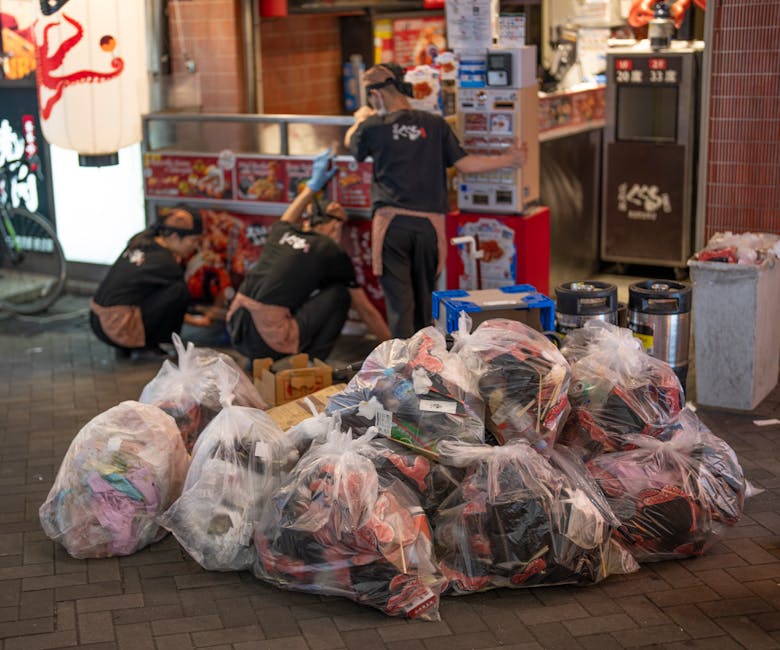
Most event waste problems are not dramatic. They are small, avoidable missteps that pile up. A missed bin here, a blocked route there, and suddenly the site feels like it is being tidied by committee. That never ends well.
- Leaving clearance until after the venue closes: By then, energy is low and access may be restricted.
- Underestimating volume: Events often produce more packaging and disposable material than expected.
- Mixing all waste together: This slows sorting and can make recycling harder.
- Forgetting bulky items: Large boards, stands, and broken fixtures can become the last awkward surprise.
- Not checking access rules: If a collection vehicle cannot get near the load, time disappears fast.
- Skipping the final sweep: Small debris is easy to miss and very obvious the next day.
- Assuming cleaning and clearance are the same thing: They are related, but not identical. A space can be clean and still not be cleared properly.
A particularly common issue is treating event waste like domestic rubbish. It is usually not. Commercial waste often includes mixed materials, heavier packaging, and a need for more controlled handling. That is why centre-based removal should be planned with a proper commercial mindset, even for small events.
Tools, Resources and Recommendations
You do not need a warehouse of specialist kit to manage event rubbish removal well. But a few practical tools make life easier and reduce the chance of a messy handover.
- Heavy-duty waste sacks: Better for mixed event rubbish than thin bags that split halfway to the collection point.
- Cardboard flatteners or cutters: Useful when packaging volume is high and space is tight.
- Trolleys or dollies: Helpful for moving bagged waste and bulky lighter items without carrying everything by hand.
- Gloves and basic PPE: Particularly important where sharp packaging, broken items, or food waste are involved.
- Labels or coloured tape: Great for separating recyclable material from general waste during breakdown.
- Lighting for evening clearances: After-hours work can leave corners and edges poorly visible.
On the service side, it is worth looking at the provider's wider waste handling approach, not just whether they can turn up quickly. A good fit is often one that can also support ongoing rubbish collection, general waste removal, and item-specific disposal. For example, if your event uses chairs, shelving, or temporary staging, furniture disposal may be relevant too. If you are comparing costs and booking expectations, the pricing and quotes page is a sensible reference point for understanding how estimates are usually structured.
And if your event ties into a broader sustainability goal, it helps to think beyond simple removal. Sorting reusable and recyclable material properly is one of the easiest ways to reduce waste going to landfill or general disposal streams. A little effort upfront, quite a lot of benefit later.
Law, Compliance, Standards and Best Practice
For commercial event waste, compliance is not something to wave away. You do not need to become a legal specialist, but you do need to handle waste responsibly and keep an eye on basic duty-of-care principles. In the UK, commercial waste must be collected and disposed of through proper channels, and businesses are generally expected to keep suitable records and use appropriately licensed carriers.
That means the person organising Southside Shopping Centre rubbish removal after events should be confident about a few essentials: who owns the waste until it is removed, how it is being stored before collection, where it is going, and whether any special items need separate handling. If in doubt, ask before the event rather than after. It is much easier that way.
Best practice usually includes:
- keeping waste off public routes and fire exits
- separating recyclable and general waste where practical
- preventing leakage, odours, and pest attraction
- using proper lifting and handling methods for heavier items
- documenting collections where your business process requires it
- checking the collection provider's insurance and safety arrangements
That last point matters more than people think. If an item is heavy, awkward, or potentially sharp, safe removal is not optional. It needs sensible handling, proper equipment, and a team that knows what it is doing. If you want to understand how a provider approaches those responsibilities, the insurance and safety information is worth reading before any booking is made.
For organisations that care about ethical and responsible operations, sustainability should also sit alongside compliance. The recycling and sustainability page gives a good sense of how waste can be managed with a more considered approach, rather than simply swept away and forgotten.
Options, Methods and Comparison Table
There is more than one way to handle post-event rubbish at Southside. The right method depends on waste volume, access, time pressure, and the type of materials involved. Here is a simple comparison to help frame the decision.
| Method | Best for | Pros | Watch-outs |
|---|---|---|---|
| In-house clear-up | Very small event waste and light tidy-ups | Immediate control, no waiting for outside collection | Can slow staff down; may not suit bulky or mixed waste |
| Scheduled commercial collection | Planned events with predictable volume | Good for coordinated handover and routine operations | Less flexible if volumes are higher than expected |
| Same-day clearance team | Busy events, tight turnarounds, mixed waste | Fast, efficient, and usually better for site reset | Needs proper access planning and clear instructions |
| Skip-based approach | Larger volumes or longer breakdown periods | Useful where ongoing loading is needed over time | Can take up space and may not suit tight shopping-centre access |
For many Southside events, same-day clearance is the most practical choice because it reduces clutter and helps the centre get back to normal quickly. That said, a skip or a staged collection can make sense for larger activation builds, multi-day campaigns, or events with heavier equipment. If you are weighing this up, skip hire may be worth comparing against direct removal, especially when the waste is bulky and the clearance window is longer.
Case Study or Real-World Example
Here is a realistic example from a typical shopping-centre style event. A small retail pop-up runs for one weekend and uses cardboard displays, branded bags, small seating, product packaging, and promotional leaflets. By late Sunday evening, the visible waste is not huge, but it is awkward: flattened boxes, a few half-empty sacks, cable ties everywhere, and a couple of display items that no one wants to carry in a normal car.
The organiser assumes the clean-up will take half an hour. In reality, once the site team starts separating waste, checking access routes, and removing bulky items first, it becomes clear that the job needs a proper vehicle and a second sweep of the area. A quick arrangement for rubbish removal means the whole space is cleared before the next morning's foot traffic begins. The retailer gets a clean handover, the centre avoids a rushed dawn tidy, and the event team can move on without chasing loose ends.
What made the difference? Three things: planning the exit route early, not mixing every material together, and allowing enough time for the final sweep. Nothing glamorous. Just solid, practical work. That is usually how the best outcomes happen.
If the event has broader commercial waste implications, it can also be useful to look at services such as rubbish clearance or waste removal depending on the type and scale of material involved. Sometimes the right answer is a straightforward collection; sometimes it is a more complete site clearance. The difference matters.
Practical Checklist
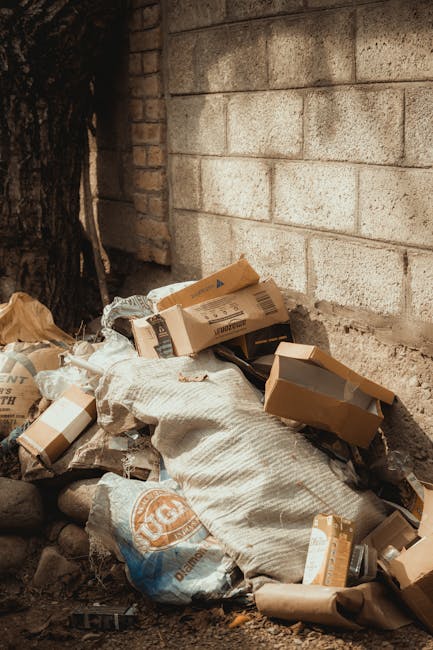
Use this before, during, and after the event to keep rubbish removal simple and under control.
- Confirm event finish time and waste clearance window.
- Identify where rubbish will be gathered before collection.
- Separate cardboard, recyclables, food waste, and general rubbish where possible.
- Remove bulky items first so they do not block the rest of the clear-up.
- Keep access routes open for staff and collection crews.
- Have enough heavy-duty bags, tape, and gloves available.
- Check whether any items need special handling or disposal.
- Do a final sweep of corners, loading areas, and behind temporary stands.
- Confirm handover with the centre or site contact.
- Record anything useful for next time, especially waste volumes and timing.
Expert summary: The best Southside event clearances are rarely the most complicated ones. They are the ones where access is clear, waste is sorted early, bulky items are dealt with first, and the final walk-through is treated as part of the job, not an afterthought. That little bit of discipline pays off every time.
Get a free quote today and see how much you can save.
Conclusion
Southside Shopping Centre rubbish removal after events is one of those tasks that only looks simple from a distance. In practice, it sits at the intersection of timing, safety, waste handling, site access, and presentation. Get it right and the event finishes cleanly, the space resets quickly, and everyone can breathe a bit easier. Get it wrong and even a small amount of waste can turn into a bigger operational headache than expected.
The good news is that a tidy, reliable post-event clearance plan does not need to be complicated. It needs clear responsibility, realistic timing, a sensible approach to sorting, and the right removal method for the waste in front of you. If you build those basics into your event workflow, the whole process becomes much calmer. Less scrambling, more control. Better for the site, better for the team, and better for the people arriving the next day.
And really, that is what good event work is about: leaving the place better than you found it, without drama. A clean finish is a quiet kind of success.


 Tipper Van - Rubbish Removal and Clearance Prices in Wandsworth, SW8
 Luton Van - Rubbish Removal and Clearance Prices in Wandsworth, SW8